
What Is Handmade Witch Soap, Really?
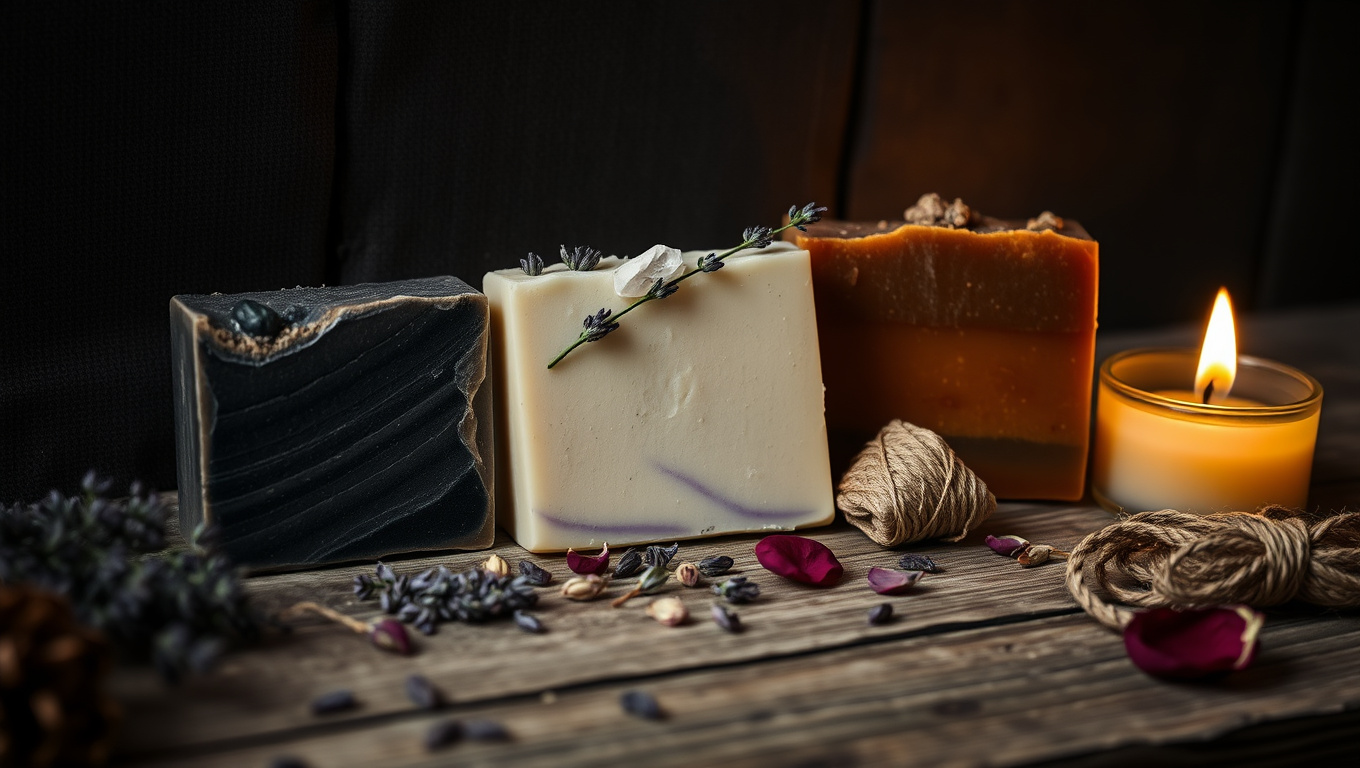
Pick up a bar of handmade witch soap and you’ll notice it straight away — the weight of it, the rough-hewn edges, the way it smells like something pulled from a cabinet in an old apothecary. Maybe there’s a crystal pressed into the top, or a dried flower tucked into the swirl. It’s clearly not the stuff from a big-box shelf. But beyond the aesthetics, a lot of people wonder: what actually makes it different? And what does “ritual” even mean in the context of a bar of soap?
The short answer is that handmade witch soap sits at the crossroads of craft and intention. It’s soap made by hand — often in small batches, using natural oils, plant-based ingredients, and botanicals chosen for their scent, texture, and folkloric association. The “ritual” part isn’t a marketing word. It reflects a real tradition of using bathing as a meaningful act: a way to mark a transition, begin something new, release something old, or simply slow down in a world that rarely encourages it.
This isn’t about magic being real or fake, or about any particular spiritual belief. It’s about the very human practice of making ordinary acts feel significant. People have been doing that with water and herbs for a long, long time.
How Handmade Soap Is Actually Made
Before getting into the ritual side of things, it helps to understand what goes into a bar of natural handmade soap — because the process itself matters when you’re choosing one.
Most quality handmade soap is made through a process called cold process soapmaking. A maker combines oils — things like olive oil, coconut oil, shea butter, or castor oil — with a lye solution (sodium hydroxide mixed with a liquid). Through a chemical reaction called saponification, those oils transform into soap and glycerin. The lye is fully consumed in this process; a properly made cold process bar contains no lye in the finished product. What remains is a soap that’s often richer in glycerin than commercial bars, which tend to have the glycerin extracted and sold separately.
After blending, the soap is poured into molds, allowed to set, then cut and left to cure — usually for four to six weeks. That curing time lets the water evaporate out, which makes for a harder, longer-lasting bar. Small-batch makers often add botanicals, clays, and skin-loving oils at specific points in the process to preserve their qualities. Crystal adornments, dried herbs, and other decorative elements are typically added at the top before the soap fully sets.
Why Small-Batch Matters
Small-batch production means the maker has their hands on every bar. They’re adjusting recipes by season, sourcing ingredients with care, and paying attention in a way that simply isn’t possible when you’re producing at scale. At Spellbound Grove, every bar is made this way — small batches, intentional formulas, natural ingredients. You can feel the difference in the lather.
The Botanicals and Ingredients You’ll Commonly Find
Part of what gives a ritual soap its character is what’s in it — and not just for scent. Botanical ingredients have long histories in folk herbalism, seasonal custom, and sensory tradition. Here’s a look at some you’ll often encounter in handcrafted witchy soaps, and what they bring to the bar.
Resins: Myrrh, Frankincense, and Patchouli
These deep, earthy scents have been used in ceremonial and folk contexts across many cultures for centuries. Myrrh and frankincense are both tree resins — their smoke has long been associated with sacred space and ritual in traditions spanning from ancient Egypt to medieval Europe. In soap, they contribute a warm, slightly smoky depth that feels grounded and meditative. Patchouli, a member of the mint family, has its own rich history in folk use and carries a distinctly earthy, woody scent that anchors a blend nicely.
Florals: Lavender, Rose, Jasmine, and Ylang Ylang
Floral botanicals have been threaded through folk love spells, ritual baths, and seasonal customs for as long as people have been gathering flowers. Lavender is one of the most widely used herbs in the Western folk tradition, associated in many cultures with protection, peace, and clarity. Rose has an ancient connection to love and the divine feminine across numerous traditions. Jasmine and ylang ylang both carry lush, heady sweetness that makes them natural choices for soaps centered on self-love or sensory indulgence.
Woods and Roots: Cedarwood, Vetiver, Sandalwood
Woody base notes do exactly what you’d expect: they ground a soap’s scent profile. Cedarwood has been used in folk and indigenous traditions across North America and Europe for its association with protection and stability. Vetiver, a grass whose roots carry a deep, smoky-earthy scent, is often described as smelling like the earth after rain. These are the notes that keep a complex scent from floating away — they give it roots.
Spices and Resins: Black Pepper, Cinnamon, Clove
Warm spice notes bring energy and fire to a formula. In folk practice, cinnamon and clove have long been associated with warmth, protection, and abundance. In soap, they contribute a sharpness that plays beautifully against sweet or floral elements.
Crystal Adornments
Many handmade witch soaps feature a small crystal or stone pressed into the top of the bar. This is partly decorative — a signal of the intention behind the soap — and partly a nod to folk and metaphysical traditions that associate certain stones with certain energies. An amethyst on a moon soap. Black obsidian on a soap made for release and reflection. Rose quartz on a self-love bar. When the crystal reaches you, rinse it off and keep it. It makes a lovely small token for your altar, windowsill, or pocket.
What Makes a Soap a “Ritual Soap”?
The word ritual gets used loosely, so it’s worth being specific. A ritual, at its core, is a repeated, intentional act that carries meaning. It doesn’t have to be elaborate. It doesn’t have to be religious or spiritual in any formal sense. It can be as simple as lighting a candle before you wash your face, or choosing a particular soap for a particular kind of day.
Ritual soap, in this context, is soap that invites that kind of intentionality. The scent is chosen to evoke something — stillness, courage, sensuality, the smell of autumn. The ingredients are selected with care rather than convenience. The act of using it becomes a small pause: a moment where you’re present with your senses instead of rushing through to the next thing.
Some people use ritual soap as part of a larger spiritual practice — moon baths, shadow work sessions, seasonal observances like Samhain or the solstices. Others simply find that a beautifully made soap bar transforms a mundane shower into something worth looking forward to. Both are valid. The ritual is what you make it.
Seasonal and Moon-Aligned Use
One of the pleasures of witchy bath products is that many of them are made with a specific season or lunar phase in mind. A full moon bath ritual might involve a bar with lavender and frankincense — scents long associated with clarity and release — paired with a candle, slow breathing, and the intention of letting go of something before the moon begins to wane. A Samhain bath might call for something darker and spicier: warm amber, smoky wood, the smell of autumn going underground.
The Hollow Night ritual soap from Spellbound Grove was made for exactly that turning point — the shift from fall into winter. It carries pumpkin cider, chocolate amber, and smoky sandalwood, with a black obsidian adornment on top. It smells like a bonfire night and a kitchen full of spices. It’s the kind of bar you reach for when the days are getting shorter and you want something that feels like a small ceremony.
For full moon baths and moon-aligned rituals, the Triple Moon Goddess soap is a natural fit. Lavender, frankincense, myrrh, and vanilla come together in a light, floral-powdery scent — the kind of thing that feels right when you’re standing in candlelight, trying to feel connected to something larger than your to-do list.
How to Build a Simple Bathing Ritual Around a Ritual Soap Bar
You don’t need an elaborate setup. You need a few minutes, a bar of soap you actually love, and a small amount of intention. Here’s one way to approach it.
Before You Step In
Set the room. Dim the lights if you can, or use a candle. Open a window if the weather allows — fresh air changes the whole quality of a bath or shower. Put your phone in another room. If you have a particular intention for this washing — releasing a bad week, preparing for something new, marking the full moon — hold that in mind for just a moment before you step in. You don’t have to say anything or do anything formal. Just acknowledge it.
With the Soap
Lather the bar slowly in your hands before applying it. Notice the scent as it opens up in the steam. Handmade soaps often have more complex, evolving scent profiles than commercial bars — what you smell in the first second may shift after a minute of warmth and water. Let yourself be present with that.
If your soap has a crystal on top, you’ll feel it lift away as the bar gets wet. Set it somewhere safe — a small dish, the edge of the tub, a windowsill. It’s yours to keep.
After
Dry off slowly. Take a minute before reaching for your phone. If you have a journal or a candle or a cup of tea waiting, move toward that. The idea isn’t to perform a ritual so much as to let the transition hold — to carry a little of the stillness from the bath into the next part of your evening.
For a shadow work session or a night of divination, the Shadow and Sage soap is worth reaching for. It carries vanilla, cedarwood, vetiver, and firewood — deep, grounding, smoky — and was made specifically for rituals of release and reflection. Wash before you sit down with your cards or your journal. It’s a simple way to mark the threshold between ordinary time and intentional time.
Caring for Your Handmade Soap Bar
Handmade soap lasts well if you treat it right. The main thing is drainage. Natural soap, without synthetic hardeners, softens quickly if it sits in standing water. Use a soap dish with good drainage — one where the bar can dry fully between uses. This extends the life of the bar significantly.
Also keep it out of direct shower spray when you’re not using it. A corner shelf or a small dish to the side of the shower works better than sitting directly in the stream. Cold process soap benefits from airflow, so avoid airtight containers while it’s in use.
The scent will fade slightly over time — this is normal and actually a sign that the fragrance is derived from real essential oils and natural blends rather than synthetic fixatives. Use the bar within a few months of opening for the best sensory experience.
Choosing the Right Handmade Witch Soap for Your Practice
The right bar depends on what you’re drawn to, what season you’re in, and what you want a bathing ritual to feel like. A few questions to help narrow it down:
- What’s the mood? Deep and grounding, or light and floral? Spicy and warm, or clean and herbal?
- What’s the season? Autumn calls for amber and spice. Spring and summer tend toward florals and citrus. Winter wants resin and smoke.
- What’s the intention? Release, love, courage, clarity, rest — different botanicals and scent profiles can support different states of mind in a purely sensory way.
- Is this a gift? Handmade witch soap makes a genuinely thoughtful witchy gift — especially when paired with a candle or a piece of apparel. It’s the kind of thing that feels considered without being overdone.
If you’re not sure where to start, Spellbound Grove offers a Build Your Sample Pack — two sample-sized bars of your choosing — so you can try a couple of scent profiles before committing to a full bar. There’s also a free soap sample available (one per customer), which is a lovely low-stakes way to get acquainted with what small-batch handmade soap actually feels like in your hands.
The Quiet Case for Handmade Witch Soap in Everyday Life
There’s something quietly radical about deciding that your daily shower deserves a beautiful bar of soap. Not because you need to earn it, or because it has to be part of a whole elaborate practice — but because the everyday acts of washing, resting, and tending to your body are worth a little care and intention.
Ritual soap doesn’t ask you to believe in magic. It asks you to slow down for three minutes. To notice what something smells like. To let a bath be an event rather than a chore. That’s not a small thing. In fact, for a lot of people, that’s exactly what they needed and didn’t know how to name.
If you’re curious about exploring handmade witch soap and natural ritual goods made with real craft and genuine intention, browse the handcrafted soaps and botanical bath goods at Spellbound Grove. Every bar is made in small batches, with care — and there’s likely one that was made exactly for where you are right now.